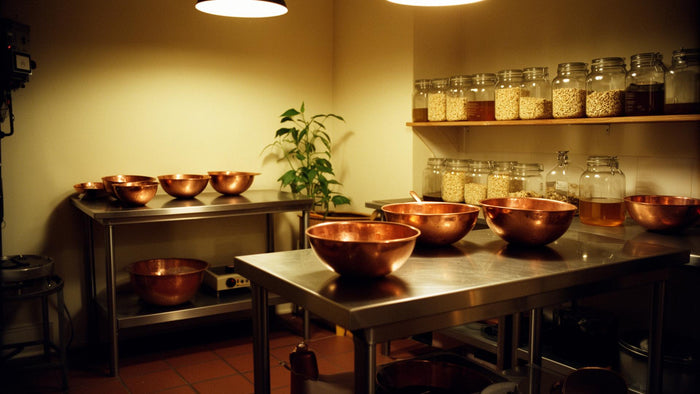
What a bar is allowed to be
We threw out the snack rulebook. What's left is a piece of food that has to fuel a body, taste like something you'd eat anyway, and be made the way a kitchen makes things.

Most snack bars follow a formula. They're engineered in labs, packed with ingredients you can't pronounce, and designed to hit specific nutritional targets on a spreadsheet. They taste like compromise—something between food and fuel, but not quite either.
We decided that wasn't good enough.
What if a bar didn't have to choose? What if it could actually taste like something you'd want to eat, while still doing the work your body needs it to do? What if it was made the way a kitchen makes things—with real ingredients, simple processes, and the kind of care that comes from actually caring?
That's where we started. Not with a list of nutrients to hit or a marketing angle to sell. Just a question: what should a bar actually be?
It should fuel your body. That part matters. Whether you're running between meetings, heading into a workout, or just need something to get you through the afternoon, a bar should deliver real energy and sustenance. No empty calories. No sugar crashes that leave you worse off than before.
But it should also taste good. Not "good for a bar." Not "surprisingly decent for a health food." Actually good. The kind of thing you'd reach for because you want it, not because you're supposed to.
And it should be made honestly. Real ingredients. No artificial flavors masking what's actually inside. No mysterious additives or preservatives that serve no purpose except shelf life. Just food—the kind you'd recognize if you saw it in a kitchen.
When you strip away the marketing and the rules, that's what's left. A bar that works because it's built on what actually matters: nutrition that nourishes, taste that satisfies, and ingredients you can trust.
That's what a bar is allowed to be.